


The new aesthetics of 2026 and what they reveal about shifting consumer values
)
As fashion enters 2026, consumers are rejecting noise and overexposure. A new era of design integrity and intentionality is emerging - and it tells us everything about what modern women value now.ng — not where it’s been.
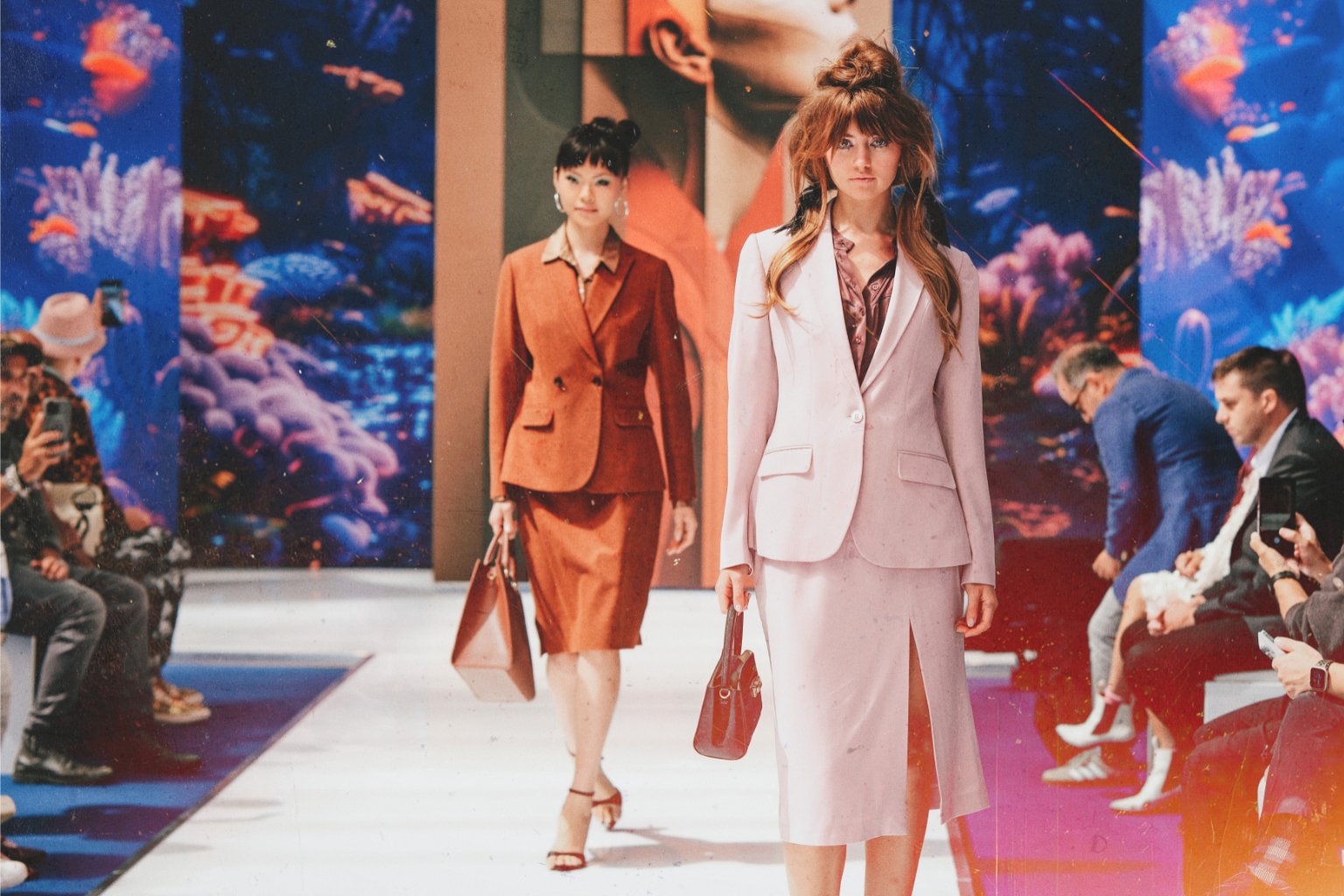
The Aesthetic Reset: Where Fashion Stands in 2026
2026 is a year defined by fashion fatigue — the aesthetic equivalent of a deep breath after a decade of overstimulation.
After years of overexposed micro-trends and recycled nostalgia, consumers are asking for something quieter but more meaningful. Fashion is rebalancing itself: away from maximalism, hype, and replication, and toward clarity, design integrity, and emotional realism.
According to Womenswear Fashion Strategy 2026 by Trend Suite, the year marks “a clean break” — a move away from runway repetition and aesthetic exhaustion, toward fashion with intent and intelligence.
But what does this new aesthetic era tell us about consumer values?
1. From Quiet Luxury to Refined Clarity: The End of Imitation Minimalism
What’s shifting:
Once the refined antidote to logo mania, quiet luxury has lost its depth. What began as a nuanced design language grounded in restraint has been flattened by mass-market mimicry.
By 2025, “beige-on-beige” minimalism became a visual cliché — a uniform of privilege rather than a language of taste. The problem wasn’t the aesthetic itself, but its overuse. When every influencer’s feed turned sand-toned, minimalism stopped feeling meaningful.
What consumers want now:
The pendulum has swung from quiet to clarity. 2026 brings a new minimalism — one defined by contrast, sharpness, and structural precision.
Black-and-white compositions and sculptural tailoring now signal confidence, not conformity.
“Consumers are not rejecting restraint; they’re rejecting repetition.” — Trend Suite, 2025
Consumer value revealed:
A desire for authentic individuality. Shoppers are drawn to clarity of form, quality, and visual authority. The new luxury is not invisibility; it’s intentional simplicity.
2. From Distressed to Disciplined: Denim as a Symbol of Renewal
What’s shifting:
Distressed denim, once synonymous with rebellion, now reads as chaos. After seasons of shredded, acid-washed, and performatively “undone” styles, consumers are signalling exhaustion.
Pinterest and Google Trends data both show declines in “ripped jeans” and “cut-out denim,” replaced by searches for “structured denim” and “wide-leg silhouettes”
What consumers want now:
Sculpted Utility Denim — clean, architectural lines and reinforced seams that signal craftsmanship over chaos. This return to structure mirrors a broader cultural mood: control, quality, and calm in uncertain times.
Consumer value revealed:
A craving for stability and substance. In a post-hype market, consumers are choosing integrity over irony. Denim isn’t about rebellion anymore — it’s about resilience.
3. From Escapism to Realism: The Decline of Cottagecore Nostalgia
What’s shifting:
The pandemic-era romance of puff sleeves, florals, and pastoral escapism has faded. “Cottagecore” — once a soft-focus fantasy of domestic bliss — now feels out of sync with how women actually live and dress.
Searches for “prairie dress” and “puff sleeve blouse” have dropped by more than 30% year-on-year, replaced by “modern minimalism” and “capsule wardrobe” searches.
What consumers want now:
Modern Craft Minimalism — a tactile, grounded aesthetic that values craftsmanship over costume. Think refined simplicity, artisanal finishes, natural fibres, and clothes that feel quietly luxurious without being performative
Consumer value revealed:
A return to authenticity and function. Consumers want emotional resonance without sentimentality — fashion that feels lived in, not dreamt up.
4. From Oversized Comfort to Structured Confidence
What’s shifting:
The oversized silhouettes that dominated post-pandemic wardrobes — once symbols of comfort and freedom — now feel unconsidered. When every brand makes the same billowy blazer, volume loses its voice.
By late 2025, search interest in “oversized blazers” had fallen by 30%. Editorials across Who What Wear UK and The Guardian Fashion reported a pivot toward refined structure and silhouette clarity.
What consumers want now:
Crisp Volume & Sculpted Shapes — tailoring that feels architectural yet wearable. The report describes this as “the new uniform of grown-up fashion thinkers.”
Consumer value revealed:
A hunger for intentionality. Consumers want clothes that express presence and purpose — garments that fit both body and context.
5. From Logos to Longevity: The Rise of Understated Design
What’s shifting:
Logo mania has finally run its course. Once a marker of aspiration, visible branding has become visual clutter. As mainstream retailers copied luxury codes, exclusivity eroded.
By 2025, searches for “designer logo jacket” and “logo tee” had dropped nearly 30%. Shoppers — especially in the UK’s premium segment — are turning toward quality cues, not brand badges.
What consumers want now:
Understated Details — subtle design decisions that reward close attention: tonal stitching, unusual seams, quiet hardware. These are the aesthetics of care — proof that thought went into the making.
Consumer value revealed:
A preference for conscious consumption. Consumers want to invest in garments that feel personal, versatile, and built to last. The new status symbol is subtlety itself.
The Cultural Core of the New Aesthetic
If the 2020s were about visibility, 2026 is about discernment. Consumers have evolved from expressing identity through constant novelty to expressing it through edit.
Fashion is becoming less about the next drop and more about the next decade. The values driving the new aesthetics are deeply human: clarity, craftsmanship, stability, and authenticity.
This is not the end of trends — it’s the beginning of selective alignment.
Connecting It Back: What the Womenswear Fashion Strategy 2026 Report
The aesthetic shifts emerging for 2026 aren’t random — they are the visual output of deeper social, emotional, and behavioural changes happening across UK consumers. What the Womenswear Fashion Strategy 2026 report does so brilliantly is decode these signals into a clear strategic lens, showing brands not just what is changing, but why it’s changing and what it means for design, marketing, and merchandising.
Across the report, each aesthetic direction is positioned as the consequence of a broader value shift:
- The move from quiet luxury to refined clarity reflects a rejection of imitation minimalism and a desire for authenticity.
- The rise of sculpted utility denim signals a craving for stability, quality, and resilience in uncertain times.
- The decline of cottagecore nostalgia reveals a cultural pivot toward realism and modern craft rather than escapism.
- The shift from oversized silhouettes to structured confidence points to a growing appetite for intentionality and presence.
- The fall of logo-centric dressing shows that consumers increasingly value longevity, subtlety, and emotional connection over status signalling.
What the Strategy Report makes clear is that aesthetics are simply the surface expression of deeper consumer psychology. For founders, creatives, and retailers, understanding these root drivers is what enables smarter forecasting, better assortment planning, and more resonant storytelling.
In other words:
If you understand the values driving the aesthetics, you can design for what consumers truly want — not just what they scroll past.
The Womenswear Fashion Strategy 2026 report offers a framework for doing exactly that. It gives brands the context, clarity, and cultural intelligence needed to build collections and campaigns that align with where the market is genuinely headi
Would you have a look at the Source Fashion 2026 report?
Explore here: Fashion Industry Reports & Trend Insights | Source Fashion