

How Kostüme is innovating the made-to-order model
If you want to find genuinely new ideas, you often have to look at what’s happening at the periphery. Particularly when it comes to something like sustainability where what the big names are doing and announcing isn’t always as good as it seems.
Kostüme may not be a household name but it’s got a fantastic sustainable business model that has just got better. And whether you’re a fashion retailer, buyer, and designer, this should be on your radar.
Anti-overproduction
A UK-based cycling apparel company, Kostüme’s business model is designed to prevent overproduction. Products are released in batches for customers to pre-order. Once the order window closes, Kostüme manufactures only what it has sold (plus a tiny number of extras to cover exchanges and issues) and ships directly to customers.
Any leftover products, from customer returns or cancellations, are sold to waitlist customers or listed in a Ready to Ship section on the website.
It’s not a wholly unique model but it’s one of the more sustainable out there.
It is also a model that feels built for online retail, selling directly to consumers within a niche. And for businesses operating a similar made-to-order clothing model, one of the biggest challenges can be getting in front of the average shopper.
Which is why the fact that Kostüme is now bringing this to physical retail is so innovative.
Mutual benefit model
Whenever we’ve seen made-to-order retail in stores before it’s always been in the retailer’s own space. For example, Batch LDN sells menswear online and in its flagship store which like Kostüme is produced to order.
What Kostüme’s new concept does is take that pre-order model and put it into other retail spaces. These ‘Partner Studios’ are given a small range of Kostüme products ahead of each new launch for customers to see and try on. If a customer wants to buy, then the partner store places a pre-order via a Kostüme-powered microsite. Kostüme also guarantees its partners some allocation from its production runs so they know they can fulfil any orders they get.
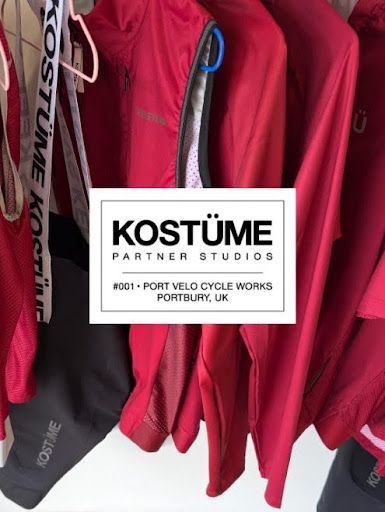
Image credit - Kostüme
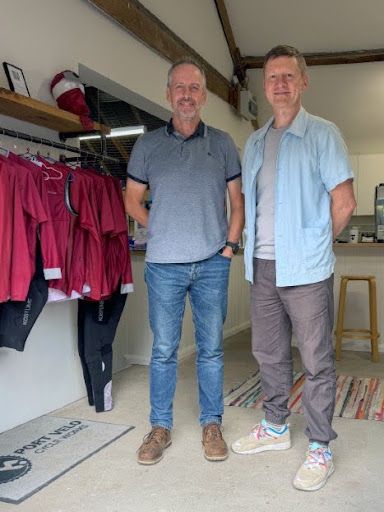
The first Partner Studio is Port Velo Cycle Works, an independent cycling retailer based close to Kostüme’s Bristol home. But the brand is already talking to prospective partners across the world.
There’s so much to like about this concept from both the brand and the retailer side.
For brands like Kostüme, visibility and customer acquisition can be hard and word-of-mouth plays a big role. But plenty of customers are still discovering products and brands in physical stores, particularly in a specific niche like cycling activewear.
Spaces that cater to these communities and interests are known for their curation and their expertise. If a brand is on their shelves, then it’s worth taking a look at.
But these retailers, who often are independent, are always having to weigh up the risk of buying wholesale and the potential to be stuck with unsold inventory which then has to be discounted. They have to only stock what they think they can sell and that makes them risk averse.
Kostüme’s partner concept bypasses all that.
The brand is also choosing partners on a regional basis and this exclusivity gives the retail partner an incentive to talk about the brand and to recommend it to customers.
Customers who have never heard of Kostüme have the chance to discover the brand. Those who are aware of it but are nervous of buying sight unseen can touch and try on products before they buy, which fills a hole in Kostüme’s online D2C model.
Even existing fans of Kostüme may appreciate the chance to see each new collection and try things on before they place an order. The drop model for each collection also helps to drive footfall to the stores and build community.
New type of wholesale
What we like the most about this story is that the wider fashion and athleisure worlds could also adopt it in different ways.
A mass market fashion retailer can’t make a made-to-order model work for everything but they could use a pre-order batch approach for special collections or to trial new ranges. If a product sells out on pre-orders, then that's a strong indicator of consumer interest that could help with forecasting for a larger run. And if you’re a retailer with a large chain of your own stores then this should be relatively easy to integrate.
But where this really shines is in the wholesale piece that Kostüme is exploring. For new brands who don’t yet have the sales data to prove their customer appeal to buyers or niche names with a cult following looking to expand, this derisks giving them a space on the shelves. And it’s a more sustainable version of the sale or return model because products aren’t produced unless someone orders them.
Today’s customer is often coming to the store informed by what they’ve seen online. Some are coming specifically to ask for products they’ve seen on TikTok or YouTube or Instagram. And many of these products are from D2C brands like Kostüme who benefit from algorithms that run on newness.
With this new partner made-to-order model, physical retailers can also benefit from offering customers something new without overcommitting.