
What the EU ban on destroying unsold clothing means for the fashion industry
)
What do brands do with unsold clothing?
Well, as of last month they’re no longer destroying them - whether that’s by incinerating them or sending them to landfill. Not under the EU’s new rule which bans the destruction of unsold clothes, shoes and clothing accessories.
And if you didn’t think that was a big problem, the numbers say different. An estimated 4-9% of unsold textiles are destroyed before they are worn every year in Europe. This is between 264,000 and 594,000 tonnes.
So what is the industry going to do with all those clothes now?

Image credit: Jack Stratten/Insider Trends
The rules
The new requirements came into effect from July 19th for large companies (defined as businesses with 250+ employees and annual turnover above €50 million). Medium-sized companies (50–249 employees and turnover up to €50 million) have until 2030 before they are subject to the same rules. Small and micro businesses aren’t affected currently.
And the destruction ban doesn’t just apply to businesses based in the EU. It applies to anyone that is classed as ‘a producer’, which means a manufacturer, importer or distributor that sells a textile product on the EU market for the first time.
One of the biggest new requirements is that companies have to publicly disclose the volume of unsold products they discard each year and what happened to them. This, along with annual production volumes, is information that brands have kept close to their chests previously.
Destruction will still be allowed in certain cases, such as unsafe products, counterfeit items, goods that are irreparably damaged, rejected donations, and products where logos, trademarks or recognisable designs can’t be removed without causing damage to the product. Brands have to provide proof to qualify for these exemptions.
Brands won’t just be able to pivot to sending unsold stock to be recycled either as this still counts as destruction under the new rules (unless an exemption is granted). The reason for this stems from the overarching legislation that the destruction ban falls under - Ecodesign for Sustainable Products Regulation (ESPR).
ESPR is about keeping products in use for longer by designing them to be more durable, reusable, and repairable, and supporting the shift to a circular economy. As such, brands should be looking for ways to resell, reuse, remanufacture or donate unsold products before they jump to recycling.
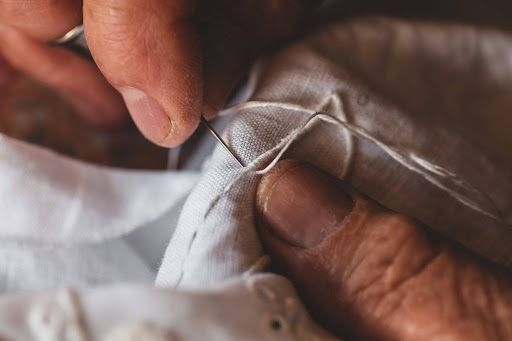
Image credit: Jack Stratten/Insider Trends
The impact
Those are the rules but what changes do we think they’ll cause among the fashion industry?
Well, improved forecasting and overproduction will be a big focal point. The less you make, the less you potentially have unsold. But there is always going to be some level of surplus - whether it’s to account for perceived demand, for possible damage, for impact of external events - so a future where every item made is sold is unrealistic.
Selling
There may be a shift away from very trend-led clothing to more timeless and universal designs that can be brought back season after season. However, this could increase warehousing costs for brands if they have to store items until the next season.
Discounting is expected to increase as brands try harder to sell what they would normally discard. This may be in a brand’s own stores or via outlet and wholesale partners. The booming secondhand economy, spurred on by digital platforms like Vinted and eBay, may also be an increasingly important sales point.
Reusing
Repairs could become a core part of a fashion brand’s main operations, whether via an in-house department or in partnership with an external service provider. For this to be cost-effective at scale, brands will need to design their products in ways that make repairs easy and consider material choices.
Upcycling and remanufacturing are other areas of potential growth. Brands can start to look at unsold clothing as a source of material and rework items into something new.
For luxury brands, upcycling may be a way to tap into the exclusivity and scarcity that they’re known for and used to be secured through the destruction of unsold product. It also aligns with current consumer behaviours where individuality and self-expression are core priorities.
Returns are also going to be a factor because brands are going to have to figure out what to do with products that may not be resaleable in their current format and would have been destroyed in the past. This might mean repairing items where it is cost-effective to or reworking them into something else.
Donating
Charity partnerships will likely increase as brands use donations as a way to shift unsold clothing but there are legitimate concerns about items being pushed onto organisations and markets that don’t have the infrastructure, funds or resources to deal with them.
Equally, unsold items that are offered for donation and aren’t deemed acceptable can be destroyed with permission, so significant pushback could see goods still end up in landfill.
Brands also need to be careful about vetting any channels and partners they use, especially if they’re offering management of unsold goods as a service, to make sure that products are treated correctly.
In June, the European Anti-Fraud Office (OLAF) reported that 4,200 tonnes of textile waste had been illegally shipped from Italy to Turkey. The textiles had been mislabeled and sent overseas to get around environmental regulations and the high recycling costs.
Hiding what happens to unsold goods will be harder as brands will have to account for each item and what happened to it. If a product is destroyed, the brand will have to record their case for doing so, with records required to be kept for five years.
Reporting
A big shift for the fashion industry is going to be the amount of reporting that needs to be done.
Take the return of a single t-shirt, for example. The brand will need to record where the item is, what its condition is, what the next step should be (resale, reuse, repair etc), and keep a record of what happened to it.
This responsibility can’t just belong to the sustainability team or legal department or admin staff. Brands have to think of the lifecycle of a product as belonging to every part of their business because it touches all of them from design and manufacturing through to sales and marketing.
If fashion brands want to destroy anything at this point, it needs to be the silos in their business.