


ASKET’in bir yıl süren “yıkayıp giy” deneyi, giysilerin dayanıklılığı konusunda bize neler anlatıyor?
)
Moda sektöründe sürdürülebilirlikle ilgili pek çok tartışmanın temelinde uzun ömür yatmaktadır. Düşük kalite, hızlı modanın olumsuz etkilerinin başlıca nedenlerinden biri olarak gösterilmektedir. Eleştirmenler, birkaç kez giyilip yıkandıktan sonra parçalanan ve ardından atılan giysilerin kısa ömründen söz etmektedir.
In response, some brands have focused on the quality and longevity of their products as a point of difference.'
'What's often missing though is evidence to back up a lot of these claims.
'How well do the clothes really hold up once they're in the hands of consumers? Can brands genuinely claim that their products last longer than others ' that they're worth paying more for?
'ASKET, geçtiğimiz yılı bunu araştırarak geçirdi.
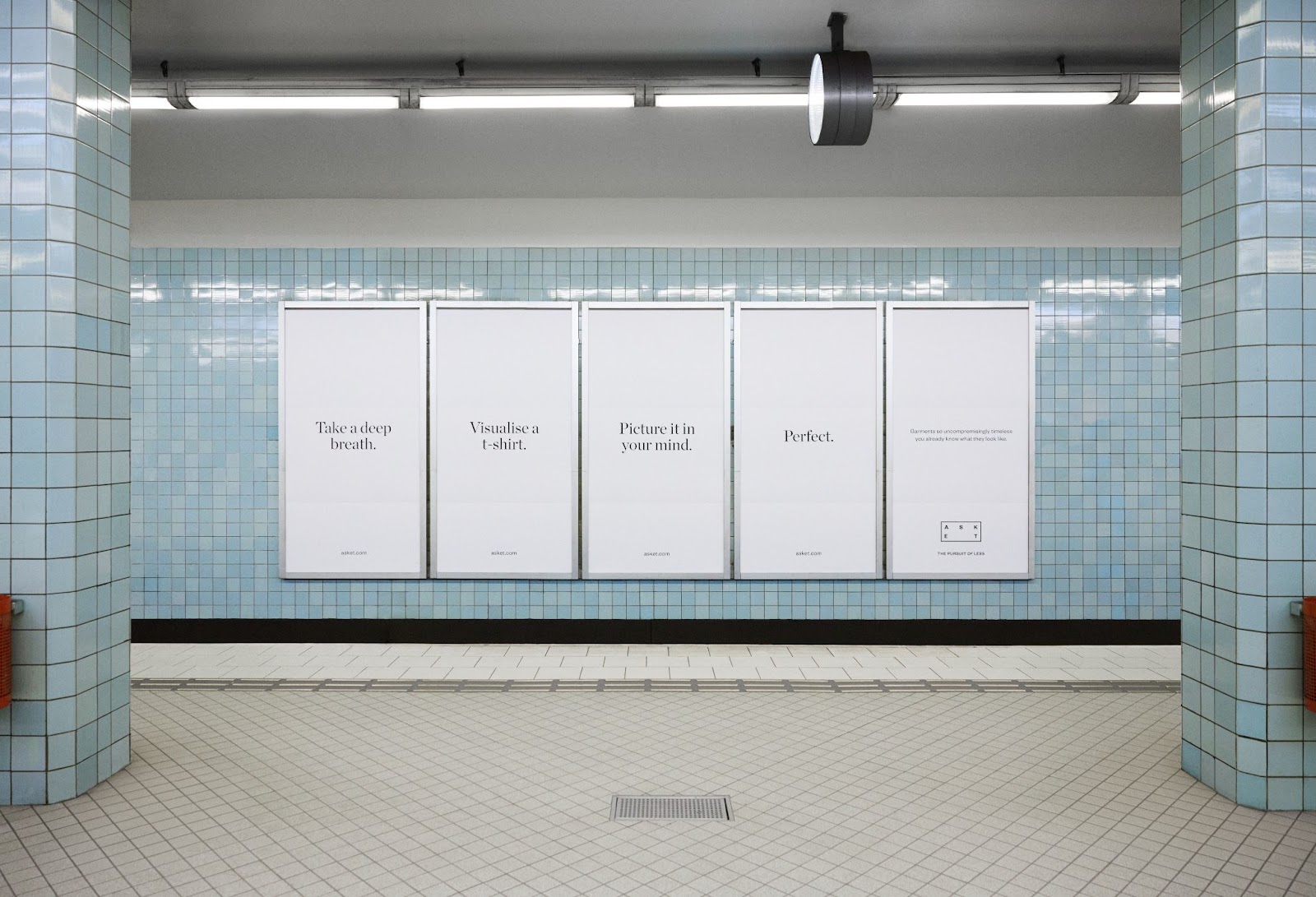
'
Altyazı - Görsel kaynağı: ASKET
Bir yıllık giyme ve yıkama denemesi
2015 yılında kurulan İsveçli giyim markası ASKET, sürdürülebilir moda alanında tanınmış bir isimdir. Marka, yalnızca sınırlı sayıda temel giyim ürününden oluşan tek bir kalıcı koleksiyon tasarlayıp satmaktadır; bu ürünlerin tamamı Avrupa’da doğal liflerden üretilmektedir.
'With its products designed to be timeless ' and therefore stay in customer wardrobes for as long as possible ' ASKET wanted to study just how long-lasting its garments are.
'Çoğu tüketicinin çok sayıda farklı giysiye sahip olduğu ve bu nedenle farklı giysilerin zaman içinde farklı sıklıklarla giyildiği göz önüne alındığında, bu zor bir görevdir. Daha sık giyilen ve yıkanan giysilerin diğerlerine göre daha çabuk yıpranması beklenir.
'To get a true sense of what happens to clothes when they're worn and washed ' and how long it takes the condition to degrade to the point that a consumer might throw an item out ' ASKET ran a year-long, wear-and-wash experiment.
'8 Mart 2024'te başlayan ve 8 Mart 2025'e kadar süren testte, Stockholm'da yaşayan 50 erkek yer aldı. Katılımcılardan dördü ASKET çalışanıydı; geri kalanlar ise müşterilerdi.
'As far as possible, each participant was asked to wear a wardrobe made up of just eight ASKET products for the whole year. This was to make sure that the garments were worn as much as possible, essentially simulating the number of wears they might be expected to get over the course of multiple years in a typical customer's wardrobe.
'Seçilen sekiz giysi şunlardı: 2 tişört, 1 Oxford gömlek, 1 merinos yünlü kazak, 1 kaşmir kazak, 1 sweatshirt, 1 çift kot pantolon ve 1 çift chino pantolon.
'Katılımcıların, deneyin sürdüğü günlerin en az %85’inde sekiz giysiden en az birini giymeleri gerekiyordu.
'Peki, sonuçlar ne oldu?
'
Altyazı - Görsel kaynağı: ASKET
Veriler ne gösteriyor?
Reporting was key to the value of the experiment ' ASKET needed to be able to track wears and washes for each item per participant. So, the brand built its own basic tracking app.
'To ensure that participants didn't drop off in their data reporting, the app sent a text message to each participant each evening, asking them to log their data for the day. This included which item(s) they'd worn that day, if the garment(s) had been washed, and a condition rating for the garment(s).
'By asking for a condition rating each time ' ranging from 1 (trash) to 5 (mint) ' ASKET hoped to be able to monitor how each item degraded over time from wear and washing.
'At this point, ASKET hasn't released the full data from the experiment, but we do have stats from the first 300 days ' which is over 82% of the test period. Essentially, we can get a pretty good idea of how the products held up.
'Öncelikle, katılımcılar bu giysilerden en az birini günlerin %87’sinde giydiler. Bu oran, katılım için gerekli olan %85’in üzerindedir.
'Katılımcılar her gün sekiz parçadan ortalama ikisini giydiler.
'300 günün sonunda, her bir giysi ortalama 62 kez giyilmiş ve 12 kez yıkanmıştı.
And after all that, the average condition rating for each garment was 4/5. That's not far off the mint rating (5).
'Things get more interesting when you dig down into some of the individual participant reporting. For example, one contributor reported wearing the jeans 298 times ' essentially every day of the experience ' and still rated them 4 out of 5 for condition after all that wear.
'Başka bir katılımcı tarafından 135 kez giyilen bir tişört de, 300 günün ardından durum açısından 5 üzerinden 4 puan aldı.
'En önemlisi, 300 günün ardından 1 puanla (giyilemez) değerlendirilen tek ürünler, tüketicinin giysiyi lekelemesi veya yırtması gibi bir tür kaza yaşadığı ürünlerdi.
'
Altyazı - Görsel kaynağı: ASKET
Ömrü ölçmek gerçekten çok zordur
The biggest thing that ASKET's experiment reveals though is that longevity is hard to measure ' because so much of it is down to customer action.
'Take the ASKET customer who wore their t-shirt 135 times in 300 days. They also report washing that t-shirt 29 times. A different person may have washed the same t-shirt more ' or less ' times after the same amount of wear, which could have affected the condition rating.
'The number of times a customer puts a garment on is one thing. Another is what they do while wearing it ' what level of friction and stress are their clothes under? Are they doing light, everyday activities or are they working in manual labour? Are they playing sports or sitting at a desk? Are they walking 2,000 steps or 10,000 steps a day in a pair of shoes?
'Washing is another factor. Some customers will wash an item after every wear and some won't. Some items like jeans are designed to go a lot longer between washes than others. Some customers will perfectly follow the washing instructions and some won't, affecting longevity.
'ASKET’in de belirttiği gibi, bazı giysiler diğerlerine göre daha sık giyilir. Bir tişört ve kot pantolon, bir kazaktan daha fazla yıl boyunca giyilir. Diğer giysilerin altına giyilen giysiler, üst katman giysilere göre daha sık yıkanmaya ihtiyaç duyabilir veya daha fazla sürtünmeye maruz kalabilir.
'Essentially, it is really hard to put a figure on how durable a product is. But by conducting this experiment, ASKET now has better data than most brands on how its products hold up under real-life conditions of customers' wear and care ' of customers living with them. And it can share that with shoppers to help guide their decision-making.
'
Altyazı - Görsel kaynağı: ASKET
Sürdürülebilir bir moda geleceği için dayanıklılık hayati önem taşır
At the same time, we can't ignore the reality that the vast majority of consumers don't hold onto all their clothing purchases long enough for them to wear out. Therefore claims of durability and reduced cost per wear may not be the most effective way to make them buy, because they won't have the item long enough to see those benefits.
'But this doesn't mean that brands should abandon the quest for quality and longevity.'
As Sweden's Mistra Future Fashion reported, 'extending the lifetime of each garment so it can be used for twice as long would reduce the environmental burden by almost half'.
'A sustainable fashion future isn't just about clothing that an individual customer can own until it wears out ' even if buying less and wearing it more is the most environmentally friendly option. It's also about garments that are durable enough to be resold and re-worn multiple times by different people, so that consumers have a viable alternative to always buying new.'