

Por que razão as marcas sustentáveis estão a reorientar-se para se concentrarem na qualidade
)
Pretty much any consumer survey will report that customers want to shop more sustainably. But it's clear that reality is different to what the tick box responses say.
Os consumidores continuam a gastar o seu dinheiro em marcas que são amplamente noticiadas pelas suas práticas insustentáveis (pense na Shein). Muitos nem sequer pensariam em verificar as credenciais de sustentabilidade de uma empresa antes de comprar. E irão ignorar opções conhecidas por serem respeitadoras do ambiente se o preço for mais apelativo.
'Há uma série de fatores que contribuem para isso — a conjuntura económica, o contexto político e a conveniência, para citar alguns.
'
Mas a própria sustentabilidade — enquanto conceito, enquanto rótulo — também sofreu um forte golpe na sua imagem. O «greenwashing» e o uso astuto de termos vagos relacionados com o ambiente minaram a confiança dos consumidores. Em vez de se sentirem inspirados e otimistas, os consumidores sentem-se cada vez mais sobrecarregados pelas mensagens sobre sustentabilidade e pressionados pelas notícias sobre uma crise ambiental que parece estar a agravar-se em vez de melhorar.
'It's a tough sales environment for sustainable brands. Which explains why many are responding by reframing their brand messaging to talk about product first, rather than sustainability.
'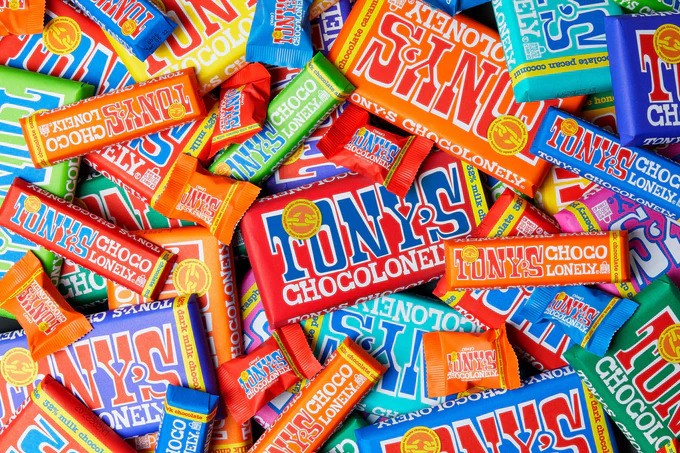
Image credit - Tony's Chocolonely
O produto em detrimento do propósito
Swedish fashion brand ASKET was founded on the concept of reduced consumption via timeless, permanent clothing collections. And the company was loud and proud about this as a point of difference.'
'No entanto, recentemente, a marca alterou a sua mensagem para dar maior destaque à qualidade dos seus produtos. Essencialmente, em vez de se promover como a opção sustentável para os consumidores, a ASKET está agora a destacar a qualidade — sendo a sustentabilidade um benefício associado.
'Esta mudança está a ocorrer em todos os setores. A Tony Chocolonely, a marca holandesa de chocolate conhecida pela sua missão ética de acabar com a exploração na indústria do cacau, também está a mudar de rumo para falar mais sobre o seu produto — em vez de se centrar no seu propósito.
'One of the big things about Tony's is that the business only exists because of its mission. This means that the brand makes chocolate as a marketing tool to highlight exploitation in the cocoa industry and to show that there is another - viable - way to do business. It doesn't just make chocolate to make money.
'You could say that this means that talking about the product isn't important. But it absolutely is.
'As chief brand officer Sadira Furlow put it in a conversation with The Drum, Tony's has to 'accept that there are going to be more people that come into the brand through the chocolate than through the purpose.'
'Arguably - although Tony's has done incredibly well in communicating its ethical mission - it hasn't really talked about its chocolate as much. And this is a product category that is primarily focused on taste.'
'In all product sectors, there will be some consumers who are specifically looking for sustainable options and will back the brands that are leading the way. But there's a larger sub-set of shoppers who are looking for a product first and then verifying if the brand is sustainable. And, realistically, there's an even bigger group of consumers who are product-first and don't factor sustainability in at all.
'If sustainable brands want to appeal to the mass-market, then they need to appeal to those who aren't shopping specifically for eco-friendly products.
'Put it this way - every customer who buys Tony's instead of another chocolate brand is a win for sustainability. But most of those customers are buying chocolate for taste. By making the best tasting chocolate possible - and advertising it on that basis - Tony's can take more market share, which has a net benefit for sustainability.
'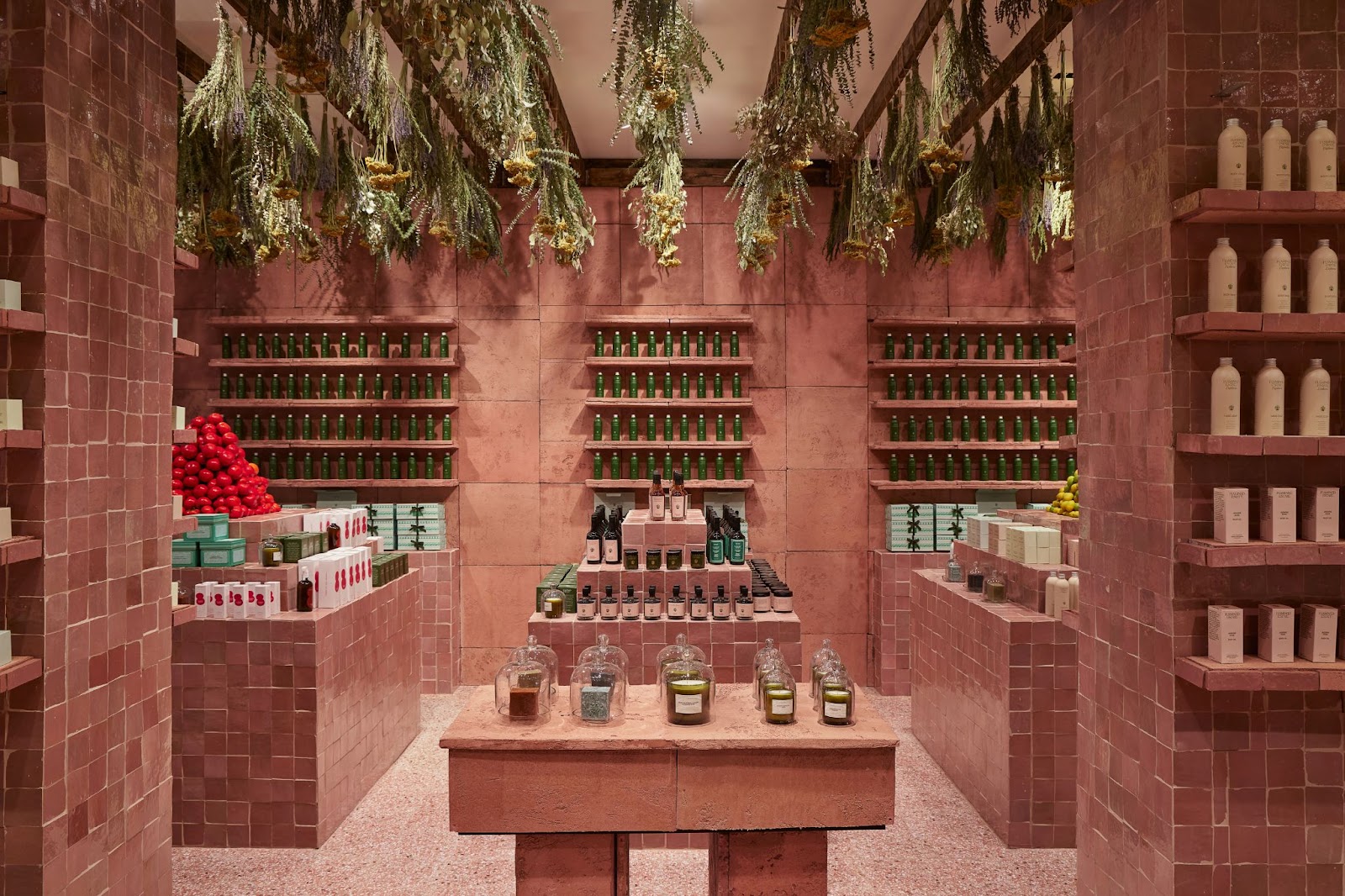
Image credit - cl'
A sustentabilidade é sinónimo de qualidade
A marca de estilo de vida Flamingo Estate, sediada em Los Angeles, nunca se apresentou como uma empresa sustentável. Sempre se posicionou como uma opção de luxo, em que os clientes pagam mais pela qualidade dos seus produtos inspirados na natureza e pelas suas matérias-primas.
'Yet, the business has sustainability built in. Flamingo Estate sources its ingredients from its own orchard and gardens, as well as local farms and producers that adopt regenerative agriculture principles. Limited production is a natural side effect of this strategy as Flamingo Estate only produces as much as the raw ingredients enable it to.'
'Isto significa que, se a colheita for fraca num determinado ano, haverá menos quantidade desse ingrediente e, por isso, serão fabricados menos produtos.
'By educating customers about its production strategy and why ingredients cost more when sourced locally, Flamingo Estate justifies its higher prices. It's basically a case of quality and scarcity being the drivers of sales and sustainability, once again, being an associated benefit.
'E, se pensarmos bem, talvez devesse ter sido sempre assim.
'Sustainable companies tend to charge higher prices for their products because they have higher costs - raw materials, labour, packaging all cost more when you care about where they come from, work conditions, and what they're made of.
'Justificar esses preços apenas com base na sustentabilidade é mais difícil de convencer. O que mais importa para a maioria dos consumidores é saber se o produto é excelente.
'By switching to talking about the attributes and benefits of the product, its design and the craft and creativity that goes into it, brands can attract more customers.'
'For Tony Chocolonely, that's talking up the flavour of its chocolate. For Flamingo Estate, it's talking about the quality of its ingredients. For ASKET, it's highlighting its timeless design and product longevity.
'It's not about selling out, throwing away principles, or kicking sustainability to the sideline. Because quality is intrinsically connected to sustainability. All of the factors that improve the quality of the product also tie into how sustainable it is.
'E, como já foi referido, quanto mais clientes comprarem de uma marca que segue princípios sustentáveis devido à qualidade do produto, maior será o benefício global para o ambiente.