
Ne gaspillez pas : les déchets d'autres entreprises pourraient-ils rendre votre chaîne d'approvisionnement plus durable ?
)
A sustainable supply chain is no longer a nice to have – whether you’re an established business or just starting out.
You’re probably very aware of your own waste – what you’re producing, how much of it and what happens to it. But what if waste – specifically that generated by other businesses and industries – could also be your raw material?
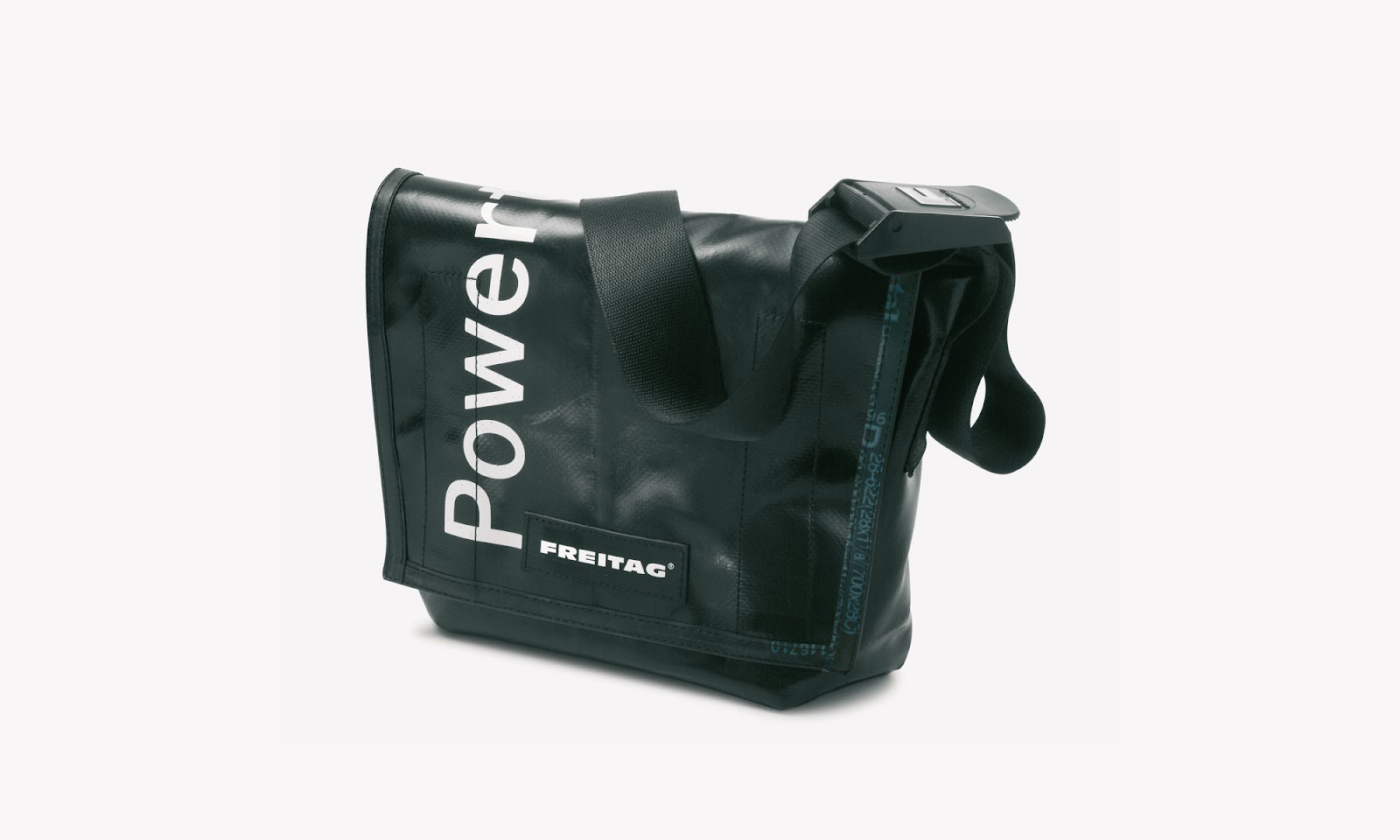
Photo Credit: FREITAG/Peter Würmli
That’s exactly the case for Swiss bag and accessories company FREITAG, which is celebrating its 30th anniversary this year. From the very beginning, it has used old truck tarpaulins as the primary material for its bags. This has stopped countless tonnes of waste going to landfill.
The brand has also branched out into recycling other used materials to keep them in circulation for as long as possible.
The knock-on benefit of using recycled truck tarpaulins is that every FREITAG bag is a little bit different from the rest. Each bag also has a long second life thanks to the durable material, which means consumers have to buy less often. FREITAG even offers a repair service to keep its products out of the bin for as long as possible.
Même si elle fait figure de pionnière, FREITAG n'est pas la seule entreprise à faire preuve de créativité en matière d'approvisionnement en matières premières.
Crédit photo : Tanvi Sharma
Créer à partir de déchets locaux
Fondée en 2020, Are You Mad est une agence de création engagée. À ses débuts, elle se consacrait à la revalorisation des surplus et des échantillons, mais a rapidement identifié une opportunité de lutter contre les déchets plastiques à Londres.
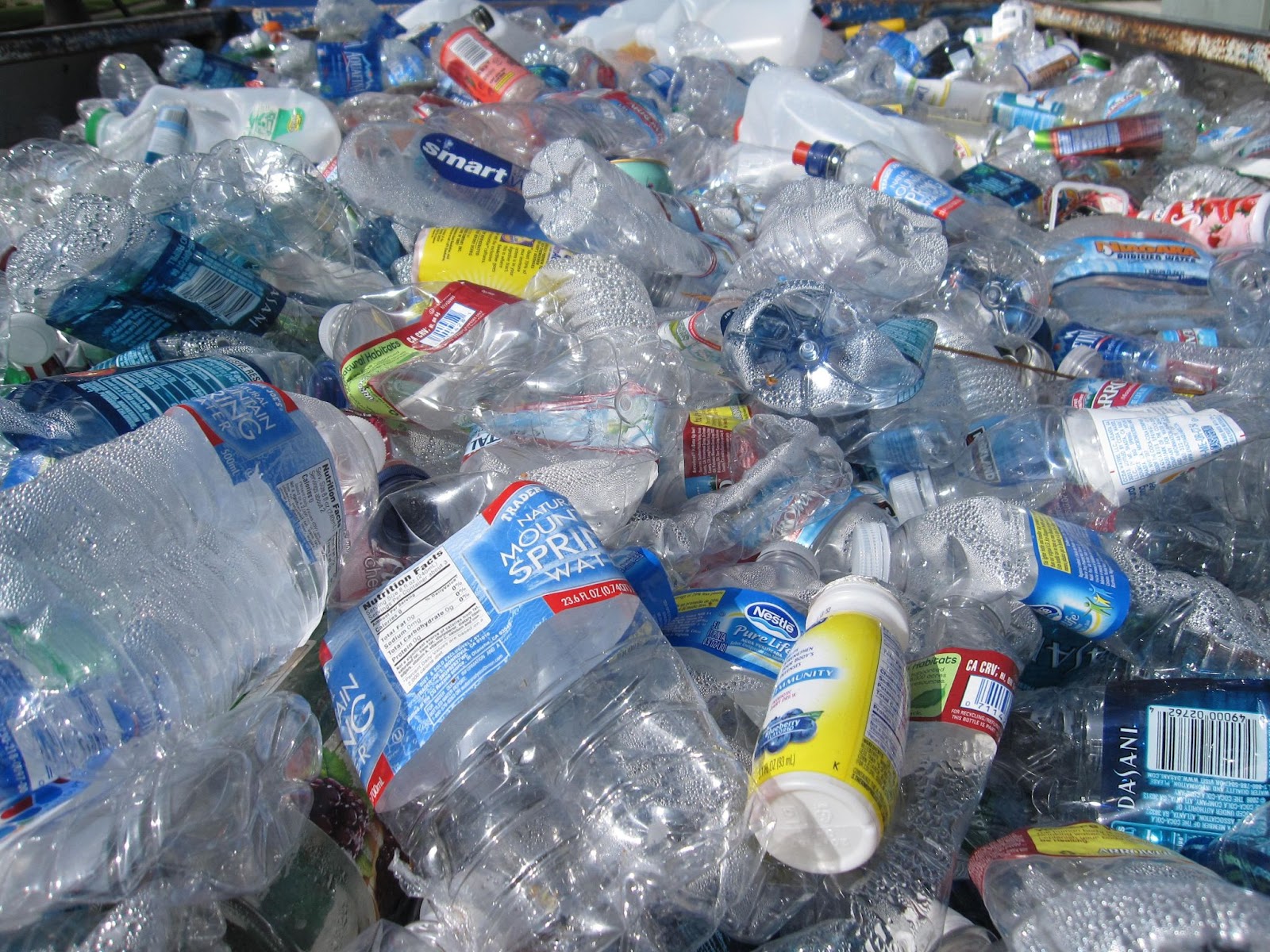
Last year, the company opened the world’s most visible plastic recycling studio in the heart of London’s Carnaby Street. All the fixtures and fittings, as well as the products on sale, are made from the plastic waste of businesses, shops, and restaurants in the local area.
Depuis, « Are You Mad » s'est installé dans des locaux définitifs situés à proximité, rue Berwick, où l'entreprise continue de détourner les déchets plastiques des décharges et de leur donner une seconde vie sous toutes sortes de formes, allant du mobilier aux porte-encens. Les processus de tri et de fabrication se déroulent sur place, sous les yeux des visiteurs, afin de mettre en évidence l'ampleur du problème du plastique.
Over in New York, Zero Waste Daniel is another young business intent on reducing waste through creative solutions. Designer Daniel Silverstein uses pre-consumer waste sourced from the local garment industry to create unique patchwork clothing and accessories.
Incredibly, the only waste that the brand produces itself is floor sweepings, which Zero Waste Daniel claims takes nearly a year to fill a standard rubbish bag.

Crédit photo : Davisuko
Pourquoi cela est-il important pour les consommateurs ?
As with FREITAG and Are You Mad, the use of waste materials means all of Zero Waste Daniel’s garments are unique. With exclusivity typically associated with luxury and high-end brands, it is interesting to see companies achieve this by using the parts others throw away. Consumers get to own a unique piece while also reducing the impact that item has on the environment.
It also means that every item these brands sell comes with a story attached that the buyer can share with others. Every time someone compliments their bag or their t-shirt or home décor they can explain where it came from and that it was made from waste. That’s far more interesting than saying it came from a shelf in any store. And it’s important not to overlook the value this has for the consumer.
Yes, most people would say that they want to be more sustainable when asked. But buying habits don’t always reflect that, especially when the sustainable option comes with a higher price tag. The uniqueness of each piece and the story behind it are some of the best tools these brands have to convince consumers to buy better.
Le lien émotionnel avec l'objet et ce qu'il représente est essentiel, afin que, chaque fois qu'ils le regardent, l'utilisent ou le portent, ils soient satisfaits de l'achat qu'ils ont effectué.
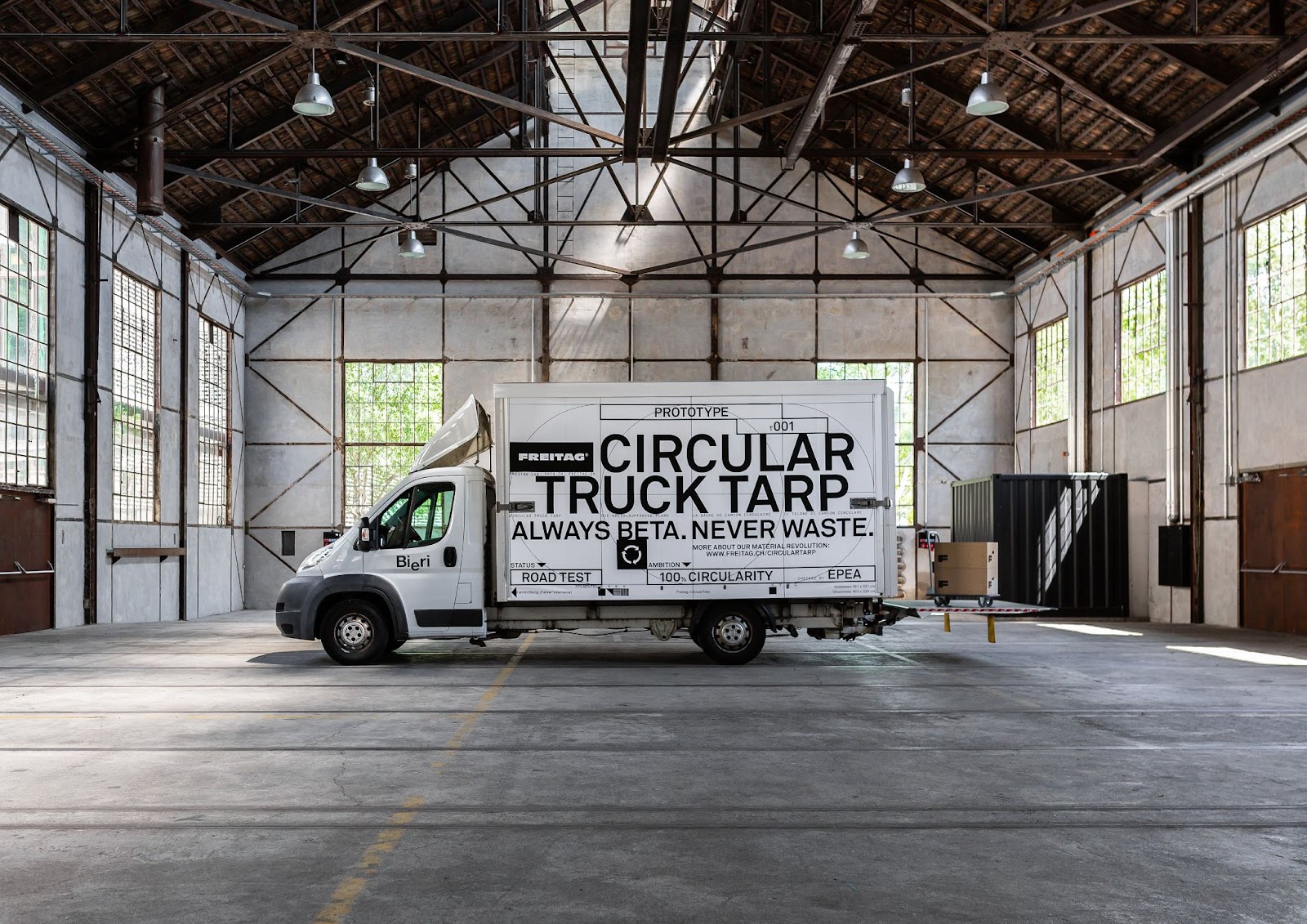
Photo Credit: FREITAG/Elias Bötticher
What’s Beyond Waste?
Sadly, even waste materials that have had a second life as another product will likely end up in rubbish streams eventually. All three of these businesses know that. As well as using other businesses’ waste as raw material, they’re also all working to reduce that waste in the first place – or create more sustainable alternatives.
Par exemple, Zero Waste Daniel a collaboré avec des marques telles qu’Alice + Olivia sur des collections visant à repenser la conception des produits afin de réduire la production de déchets. Are You Mad accompagne les entreprises pour les aider à réduire leurs déchets et à améliorer leurs processus de fabrication.
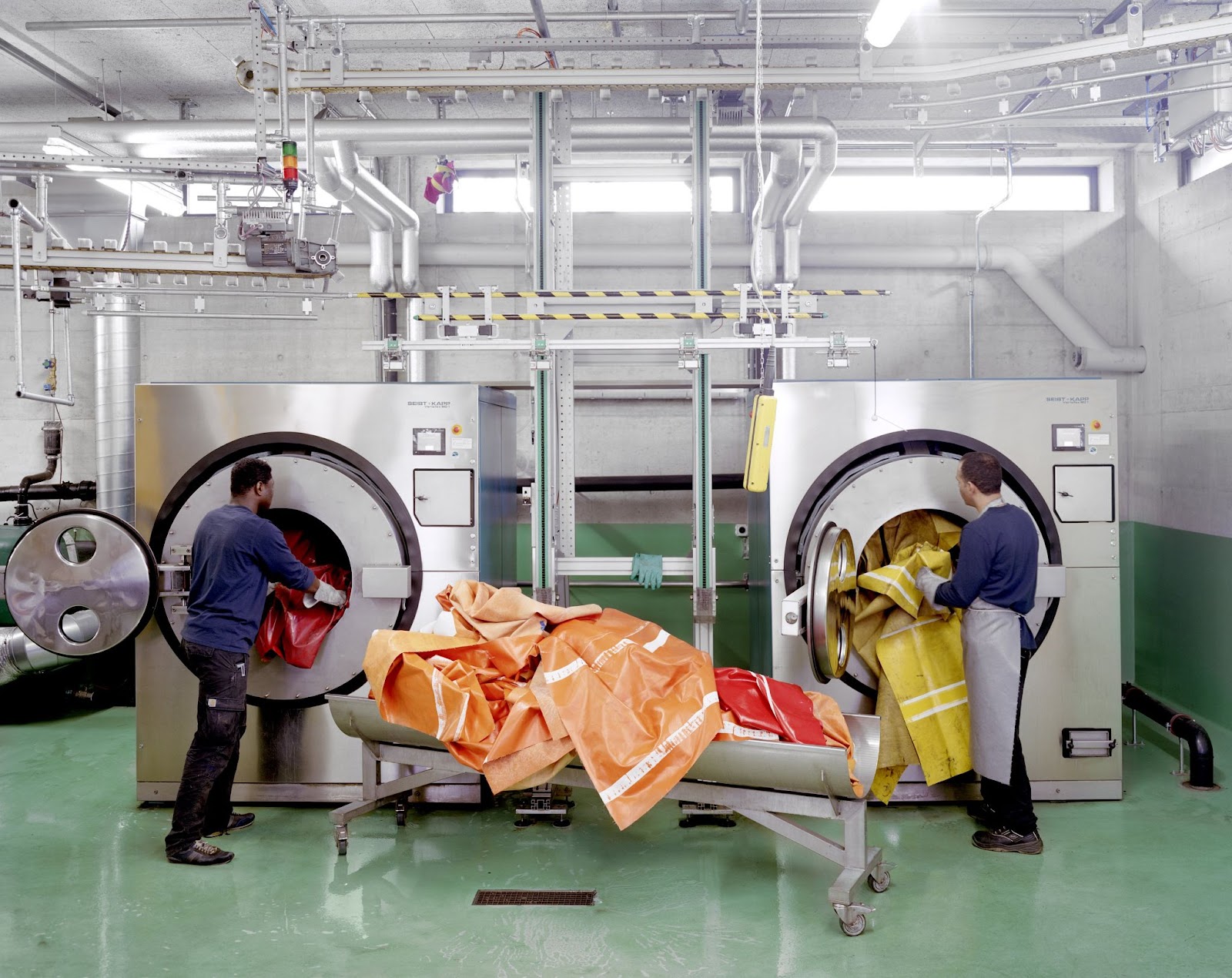
FREITAG has spent the last few years developing a new prototype truck tarpaulin with partners that can be endlessly recycled. It’s a tall order with the material having to hold up the stresses and strains of being on the road, including all sorts of weather, as well as have enough longevity to be turned into FREITAG bags after it’s no longer suitable for use on trucks.
It may be some time still before FREITAG and its collaborators have a workable solution. But it shows that, with a bit of creativity and dedication, environmentally damaging waste doesn’t have to be a given. Using waste as raw material isn’t just a path to a more sustainable supply chain but to reducing that waste in the first place.